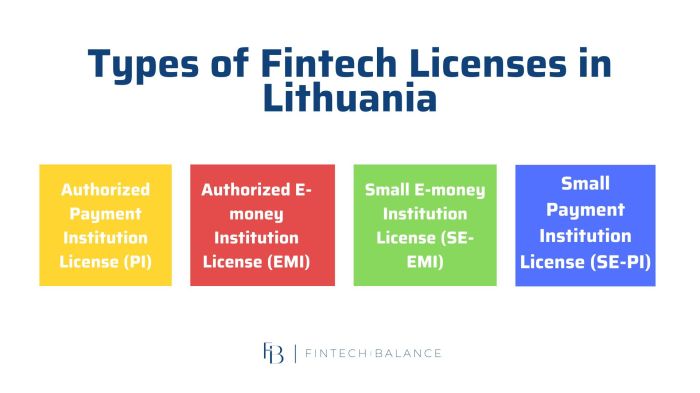
Fintech license application is an essential step for businesses aiming to operate in the rapidly evolving financial technology landscape. It opens doors to regulatory compliance and builds consumer trust, making it a pivotal process for any fintech startup or established company venturing into new markets.
Understanding the complexities involved in obtaining a fintech license can empower entrepreneurs and finance professionals alike, helping them to anticipate challenges and navigate the regulatory environment effectively. With various jurisdictions having distinct requirements, it’s crucial to grasp the nuances of the application process to ensure a smooth and successful outcome.
Understanding Fintech License Application
Obtaining a fintech license is a crucial step for any financial technology company looking to operate legally and successfully in the market. This process can vary depending on the jurisdiction but generally involves a series of steps to ensure compliance with local regulations. The process of obtaining a fintech license typically starts with understanding the specific regulations that apply to the jurisdiction in which you plan to operate.
Requirements may include detailed business plans, financial statements, and compliance with anti-money laundering (AML) and know your customer (KYC) regulations.
License Application Process
The application process can be broken down into several key stages:
- Research and understand the regulatory framework of your target jurisdiction.
- Prepare the necessary documentation, including business plans, financial forecasts, and compliance strategies.
- Submit the application along with the required fees.
- Engage with regulatory authorities during the review process, which may include interviews or additional information requests.
- Receive the license, pending any conditions set by the regulatory authority.
Requirements for Application
Different jurisdictions have different requirements for a fintech license. Common requirements may include:
- Proof of financial stability and operational capability.
- Detailed descriptions of services offered and operational plans.
- Compliance documentation related to AML and KYC policies.
- Background checks on key personnel and stakeholders.
Common Challenges
The application process is often fraught with challenges, including:
- Complex regulatory requirements that vary significantly between jurisdictions.
- Long processing times, which can delay business operations.
- Difficulty in ensuring compliance with evolving regulations.
Importance of Finance Licenses

Finance licenses are not just regulatory hoops to jump through; they are essential for the legitimacy and operation of fintech companies. Proper licensing ensures that a company adheres to the necessary legal standards and builds credibility in the competitive fintech landscape.
Types of Finance Licenses
Fintech companies may require several types of licenses, including:
- Payment services licenses for processing transactions.
- Lending licenses for offering financial products.
- Investment licenses for managing client investments.
Significance of Finance Licenses
Having the right finance licenses is crucial for several reasons:
- It ensures compliance with local laws, which protects the business from legal issues.
- It enhances consumer trust, as customers are more likely to engage with licensed entities.
- It improves business credibility, attracting investors and partners.
Role of Finance Lawyers in Fintech
The application process for fintech licenses can be complex, and finance lawyers play a vital role in navigating this landscape. Their expertise is invaluable in ensuring compliance with regulatory requirements and avoiding legal pitfalls.
Responsibilities of Finance Lawyers
Finance lawyers assist in various aspects of the application process, including:
- Advising on the legal requirements for the specific jurisdiction.
- Drafting and reviewing application documents to ensure completeness and accuracy.
- Facilitating communication with regulatory bodies.
Navigating Regulatory Frameworks
Finance lawyers help fintech companies in navigating the often-complex regulatory frameworks that govern their operations. Their insights can help avoid costly mistakes and streamline the application process.
Common Legal Pitfalls
Fintech companies should be aware of common legal pitfalls, such as:
- Neglecting to comply with AML and KYC requirements.
- Failing to maintain accurate records and documentation.
- Misunderstanding local regulations regarding consumer protection.
Careers in Finance Related to Fintech
As fintech continues to grow, a variety of career opportunities emerge that intersect with fintech licensing. These roles are crucial in ensuring that companies remain compliant and operate effectively.
Finance Careers in Fintech
Positions in this area include:
- Compliance Managers, responsible for overseeing regulatory compliance.
- Risk Analysts, who assess financial risks involved in operations.
- Financial Analysts, tasked with evaluating the financial performance of the business.
Skills and Qualifications
The skills and qualifications necessary for finance professionals in fintech often include:
- Strong understanding of financial regulations and compliance.
- Analytical skills to assess financial risks and opportunities.
- Effective communication skills to liaise with regulatory authorities and stakeholders.
Overview of Finance Companies in Fintech
Several finance companies have successfully navigated the fintech licensing landscape, establishing themselves as leaders in the industry.
Leading Finance Companies
Notable companies include:
- PayPal, which has established a recognized payment service.
- Square, known for its innovative payment solutions.
- Robinhood, which offers commission-free trading.
Business Models
These companies leverage their licenses in various ways, often providing unique services that set them apart in the market. For instance, PayPal utilizes its license to facilitate secure online transactions, while Square focuses on point-of-sale solutions.
Case Studies
Several case studies illustrate how finance companies utilize their fintech licenses effectively to innovate and grow. For example, Robinhood’s commission-free trading model has disrupted traditional brokerage services, making investing more accessible to the average consumer.
Finance Basics for Fintech Professionals
A strong grasp of essential finance concepts is critical for anyone working in the fintech sector, especially those involved in the licensing process.
Essential Finance Concepts
Key finance concepts include:
- Understanding of financial statements and their implications.
- Knowledge of cash flow management and budgeting.
- Familiarity with compliance regulations and their relevance to financial operations.
Importance of Financial Literacy
Financial literacy is vital for teams involved in the licensing process as it enables them to make informed decisions and ensures that compliance measures are effectively implemented.
Methodologies for Learning
Professionals can enhance their finance knowledge through various means, including:
- Taking online courses focused on finance fundamentals.
- Participating in workshops and seminars.
- Reading industry-specific literature and reports.
The Role of Finance Division in Fintech Firms
The finance division in fintech companies plays a pivotal role in maintaining financial health and facilitating compliance with licensing requirements.
Key Functions
Key functions of the finance division include:
- Managing budgets and forecasts to ensure financial sustainability.
- Overseeing compliance with financial regulations.
- Coordinating with other departments to support overall business strategy.
Collaboration with Other Departments
Collaboration is essential during the licensing process, as the finance division must work closely with legal, compliance, and operational teams to ensure all aspects of the application are addressed thoroughly.
Optimizing the Finance Division
Strategies to optimize the finance division include:
- Implementing advanced financial software for better data management.
- Regular training for staff on financial regulations.
- Streamlining processes to reduce bottlenecks in financial reporting.
The Influence of Finance Ministers on Fintech Regulations
Finance ministers play a significant role in shaping the regulatory landscape that fintech companies must navigate.
Role in Shaping Regulations
Finance ministers are instrumental in establishing policies that govern fintech operations. Their decisions can either facilitate innovation or impose strict regulations, impacting the growth of the sector.
Recent Legislative Changes
Recent changes in legislation have affected various aspects of fintech, including:
- New rules regarding data privacy and consumer protection.
- Updated regulations for crowdfunding and peer-to-peer lending.
- Enhanced scrutiny on cryptocurrencies and digital assets.
Government Initiatives
Governments worldwide are launching initiatives to support fintech innovation, such as creating regulatory sandboxes that allow companies to test their products in a controlled environment without full regulatory compliance.
Navigating Financial Transformation in Fintech
Financial transformation is a crucial aspect for fintech firms, especially as they adapt to the evolving landscape of technology and regulation.
Concept of Financial Transformation
Financial transformation refers to the process of adopting new technologies and practices to improve financial operations. This can include automating processes or integrating advanced analytics into financial decision-making.
Impact of Licensing on Transformation Strategies
Licensing can significantly impact transformation strategies, as companies must ensure their innovations comply with existing regulations. This necessitates a careful balance between innovation and compliance.
Best Practices
Best practices for managing financial transformation projects include:
- Establishing clear goals and objectives for transformation efforts.
- Involving cross-functional teams to ensure diverse perspectives.
- Monitoring progress and making adjustments as necessary to stay on track.
Jobs in Finance Related to Fintech Licensing
As the fintech industry continues to expand, specific roles focusing on licensing are becoming increasingly important. Key positions in this area may include: Jobs focusing on fintech regulatory compliance often require: Technology is playing an increasingly vital role in the fintech licensing process, helping streamline operations and enhance compliance. Technology facilitates the licensing process by automating tasks and improving data management. This allows companies to respond more quickly and efficiently to regulatory demands. Recent innovations include: Tech solutions play a vital role in compliance management by providing tools that help fintech companies maintain accurate records, conduct audits, and manage risk effectively. A finance statement is essential for fintech companies, especially during the licensing process. A finance statement provides an overview of a company’s financial health and is often required by regulatory authorities. It should detail revenues, expenses, and overall financial position. Accurate financial reporting is critical during the licensing process, as it demonstrates the company’s viability and helps establish trust with regulators. When preparing a finance statement, consider the following guidelines: Finance specialists are crucial in the fintech sector, particularly concerning licensing and compliance. Key qualities of effective finance specialists include: On a daily basis, finance specialists may engage in activities such as: Finance specialists play a vital role in ensuring that companies adhere to regulatory standards, reducing the risk of non-compliance penalties and fostering a culture of accountability. Creating a robust finance strategy is essential for fintech companies looking to succeed in obtaining licenses. A well-structured finance strategy should include: The relationship between business strategy and licensing requirements is critical, as the strategy must account for regulatory demands while still pursuing growth opportunities. Several fintech companies have implemented successful finance strategies that leverage their licenses to enhance operations, such as: In summary, mastering the fintech license application process not only strengthens a company’s compliance but also enhances its credibility in the market. By addressing the challenges and leveraging the expertise of finance professionals, fintech firms can position themselves for growth and innovation in a competitive landscape. The journey may be complex, but the rewards of obtaining the right licenses are invaluable for long-term success. What is a fintech license? A fintech license is a regulatory authorization required for companies in the financial technology sector to operate legally, ensuring they meet specific compliance and operational standards. How long does the fintech license application take? The duration varies by jurisdiction and can range from a few months to over a year, depending on the complexity of the application and the regulatory body involved. What are the costs associated with obtaining a fintech license? Costs can include application fees, legal and consultancy fees, and ongoing compliance costs, which can vary significantly based on the type of license and the jurisdiction. Can a fintech company operate without a license? Operating without a license is illegal and can result in severe penalties, including fines and business shutdowns, making it critical for fintech companies to secure the necessary licenses before launching services. What role do finance lawyers play in the licensing process? Finance lawyers assist fintech companies by providing legal advice, helping navigate the application process, ensuring compliance with regulations, and avoiding common legal pitfalls.
Skills for Regulatory Compliance Jobs
Technological Impacts on Finance Licensing
Role of Technology
Innovations in Finance Licensing
Tech Solutions for Compliance Management
Crafting a Finance Statement for Fintech
Understanding Finance Statements
Significance of Accurate Reporting
Guidelines for Preparation
Expertise of Finance Specialists in Fintech
Qualities of Finance Specialists
Day-to-Day Responsibilities
Importance in Regulatory Compliance
Developing a Finance Strategy for Licensing Success
Framework for Finance Strategy
Interplay Between Business Strategy and Licensing
Examples of Successful Strategies
Last Point
Frequently Asked Questions


